





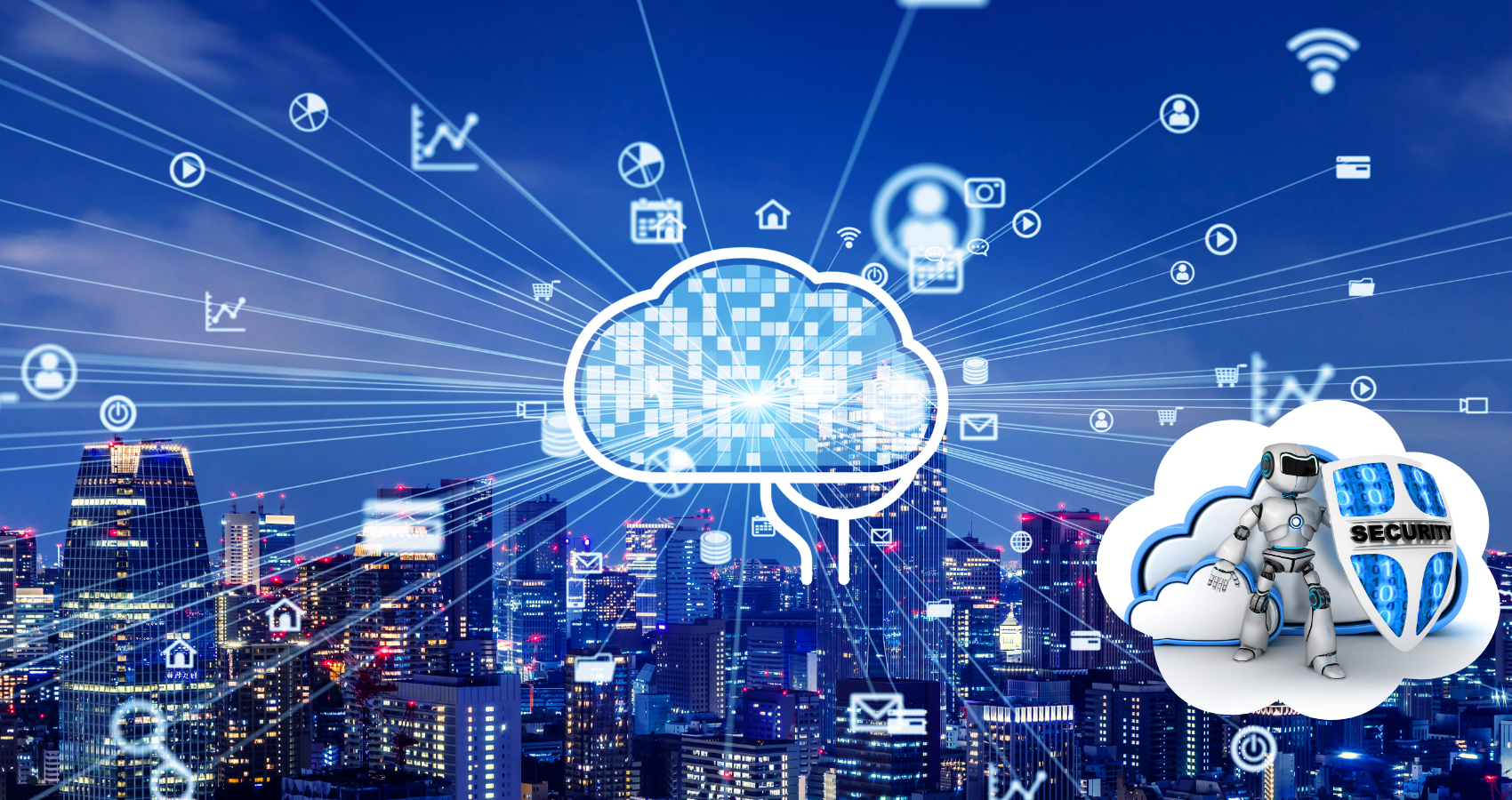
Synchronizing cloud computing with AI means using cloud infrastructure to power AI systems—storage, computation, and deployment. It also goes the other way: using AI to optimize cloud operations.
AI on the Cloud
AI and cloud computing complement each other in these ways:
- AI-as-a-Service (AIaaS): Cloud providers offer AI tools and frameworks as services.
- AWS SageMaker (ML model training and deployment)
- Azure Cognitive Services (vision, speech, language APIs)
- Google Vertex AI (end-to-end AI platform)
- Scalability: Training AI models can require massive computing power. Cloud platforms allow users to scale up or down instantly.
- Data Storage & Processing: AI needs data—lots of it. Cloud storage and distributed processing (like Hadoop, BigQuery, etc.) make it easier to handle and analyze big data.
- Global Accessibility: Cloud-based AI solutions can be deployed globally with ease, powering apps, websites, and systems in real-time.

Automated resource management: AI predicts demand and allocates resources.
Anomaly detection & security: AI spots threats or unusual patterns.
Cost optimization: AI helps reduce cloud spend by rightsizing resources.
- Training AI models using cloud GPU/TPU resources
- Storing Massive Datasets (Image/Video/Text corpora for machine learning)
- Deploying AI services like chatbots, and predictive analytics
- Scaling seamlessly as demand increases
Real-World Applications
Healthcare: AI-powered diagnostics hosted on the cloud for global access.
Finance: Real-time fraud detection using cloud-based AI engines.
Retail: Personalized shopping experiences via AI recommendation systems in the cloud.
Smart Cities: IoT + Cloud + AI = intelligent urban infrastructure.